Learning
Word Games for Building Vocabulary in Short Breaks
How our proofreading puzzles, reading mysteries, word-association quiz and SAT vocabulary ladder exercise spelling, reading and vocabulary, with practical tips.
Word games are a good choice for a break because they feel light but still keep your language skills active. They also come in very different flavors. Some are about spotting letters, some are about spelling, and some are about understanding how words relate to each other. Here is what each type practices and how to get better at it.
Proofreading: spotting spelling mistakes
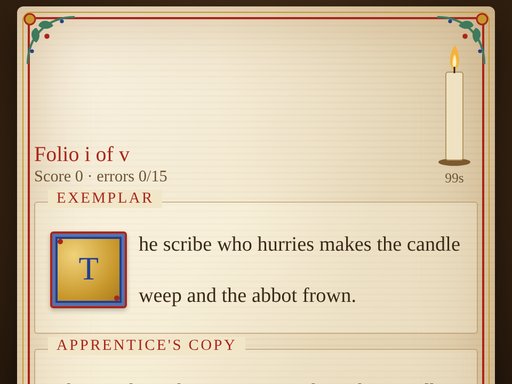
In The Scribe's Errors, a careless medieval apprentice has copied the abbey's books by candlelight. You compare each copy with the original and mark every mistake: a swapped letter, a missing word, a doubled line. It is a word search turned inside out. Instead of finding words, you find what is wrong with them, which is exactly the skill you use when you proofread your own essay.
Tips for proofreading games:
- Read the copy word by word, not sentence by sentence. Your brain fills in missing letters when you read for meaning.
- Look at the shape of each word. A doubled or dropped letter changes the length before you even notice the spelling.
- Check the beginning and end of each line. Copying errors, in old books and in real life, often happen where the eye jumps to the next line.
Reading for clues: words in context
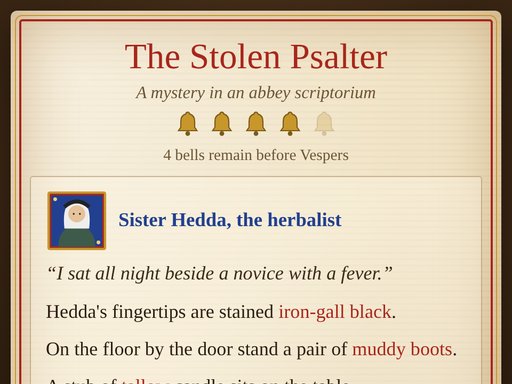
The Stolen Psalter is a short mystery told on an illuminated manuscript page. You read the testimony of each monk and decide who took the abbey's golden Psalter. This practices reading comprehension: noticing exactly what a sentence says, and what it does not say. Roll Call in the Fog works the same way with a ship's log, where each line of the log narrows down which sailor is which.
Thinking like a crowd: word association
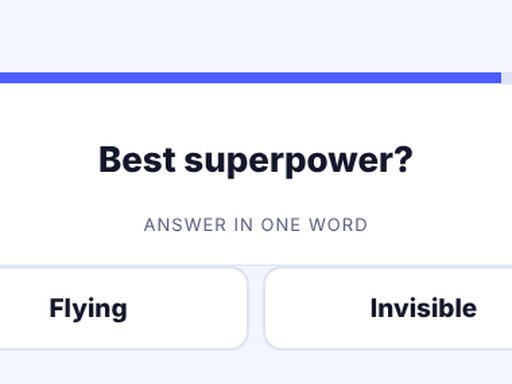
Answer in One Word asks ten quick questions, and every answer is one word. There is no right answer; you score by picking the word most people would say. It is a fun way to practice word association and common collocations, the words that naturally go together in English.
Vocabulary quizzes: learning what words mean
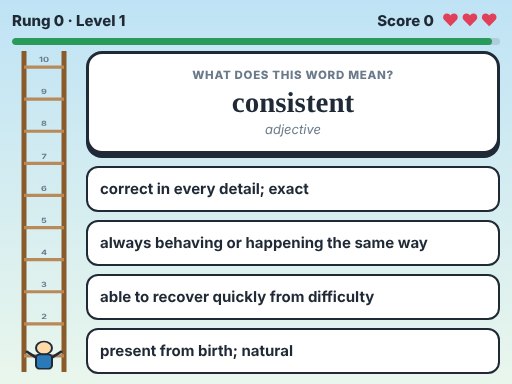
Finding and spelling words is one skill; knowing what they mean is another. Our own Vocab Ladder is built for that second skill. Each rung of the ladder is a quick multiple-choice question using words that often appear on the SAT, PSAT and ACT, such as ambiguous, pragmatic and ubiquitous. Sometimes you choose the meaning of a word, and sometimes you choose the word that fits a meaning, which practices both directions of recall.
How to get more out of it:
- Use Practice mode first. With no timer, you can think about word parts: bene- means good, mal- means bad, -ous and -ive usually mark adjectives.
- Read the review list at the end of each climb. Those missed words are the ones worth writing on a flashcard.
- Come back the next day. Seeing a word again after a gap helps it stick far better than seeing it ten times in one sitting.
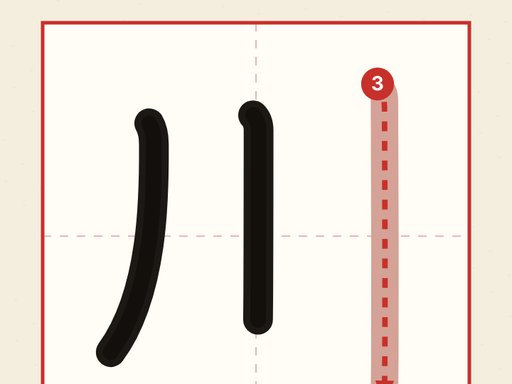
For a different flavor of word practice, Kanji Brush Trace shows the English meaning of each Japanese kanji you trace, a reminder that every writing system packs meaning into small shapes.
Do word games actually help vocabulary?
A game will not replace reading, which is still the best way to grow your vocabulary. But word games keep the words you already know active, and they reward careful spelling. Proofreading and reading-for-clues puzzles also practice the careful reading that test questions demand: noticing exactly what the words say.
A useful habit: if a game shows you a word you do not know, look it up after your break. Write it on a flashcard. One new word per break adds up quickly over a school year.
Pair word games with memory games
If you enjoy word games, you might also like games that test memory. Kamon Match and Halloween Memory Match are matching games where you flip cards to find pairs. They are relaxing, they work well on a phone, and a round fits easily into a short break.